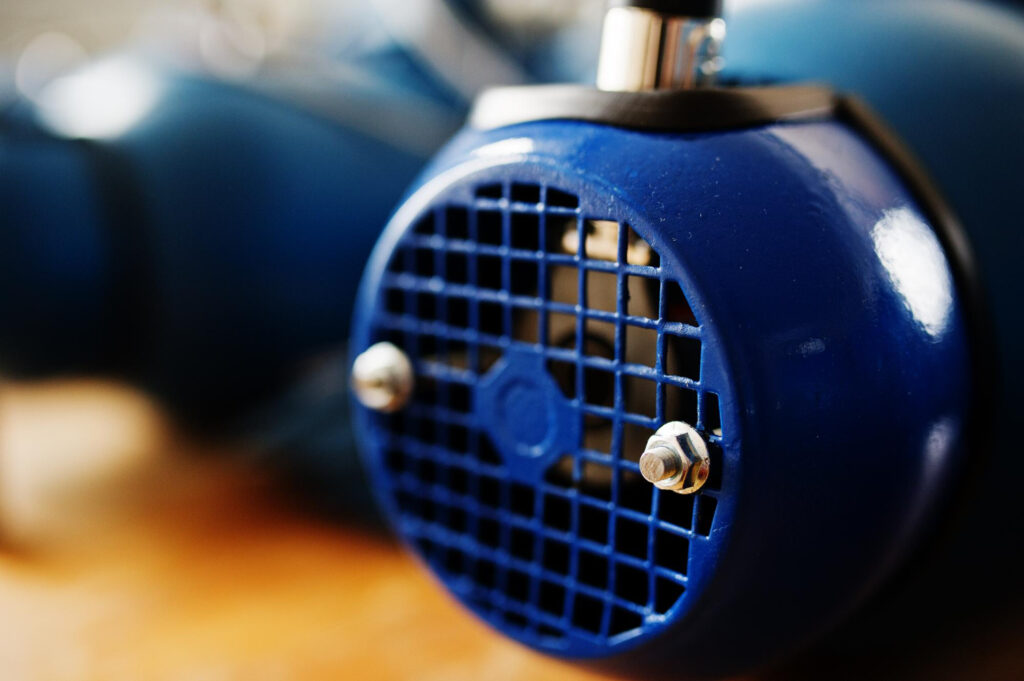
End suction pumps are the workhorses of industrial and commercial fluid movement—powering HVAC systems, water treatment plants, agricultural irrigation networks, and chemical processes across the globe. Their relatively simple design, ease of maintenance, and versatility have made them a preferred choice for decades. However, with escalating energy costs, growing environmental regulations, and a push toward Industry 4.0 integration, innovation in end suction pump technology is no longer optional—it’s imperative.
Today, manufacturers are answering the call with next-generation features that improve energy efficiency, system longevity, and data connectivity. From motor design to smart analytics, here’s how end suction pumps are evolving for a new era.
A Shift in Motor Technology
One of the most significant advancements in end suction pump systems is the introduction of permanent magnet (PM) motors, especially in the 0.75 hp to 50 hp range. Unlike traditional induction motors, PM motors offer:
Higher efficiency at partial loads
No need for external cooling fans
Tighter, more compact footprints
Inertia base elimination, reducing installation complexity and vibration
According to Armstrong Fluid Technology, integrating PM motors into end suction pumps results in energy savings of up to 30% over standard designs by eliminating core losses and improving power density.
This innovation makes PM motors ideal for applications like variable-load HVAC systems or process loops where consistent speed control and space-saving are critical.
The Rise of Variable Speed Drives (VSDs)
Variable speed drives (VSDs) represent a transformative leap in how pumps consume energy. By modulating motor speed based on real-time demand, VSDs optimize performance while avoiding energy waste from constant-speed operation.
Key benefits
Noise reduction during low-flow periods
Reduced wear and tear on pump internals due to smoother starts and stops
Energy savings of 25–60%, depending on application conditions
In wastewater and HVAC sectors especially, VSDs eliminate the need for throttling valves, further improving overall system efficiency. Smart control software embedded in modern VSDs can also detect operating anomalies—an early warning system that supports condition-based maintenance.
Smart Pumps and IoT Integration
One of the most transformative developments in fluid handling is the integration of smart technologies into end suction pumps, ushering in a new age of intelligent, responsive systems. These innovations are turning pumps from passive hardware into active assets in your process control strategy. Key capabilities of smart pump systems:
Performance Monitoring in Real-Time
Smart pumps are equipped with sensors that continuously collect data on flow rate, pressure, temperature, vibration, and power usage. This telemetry is transmitted to central monitoring systems or cloud-based dashboards where operators can gain an instant, holistic view of pump performance—from a single unit to an entire fleet.
Predictive Maintenance and Self-Diagnostics
Using predictive analytics powered by machine learning, smart pumps can identify early warning signs of failure—like increased vibration, temperature anomalies, or pressure fluctuations—before they escalate into costly shutdowns. Operators receive alerts when maintenance is needed, not just when something breaks, significantly extending the operational life of the pump.
Dynamic System Optimization
IoT-enabled pumps can dynamically adjust performance parameters based on real-time system demands. For example, during periods of low demand, the system can reduce pump speed via a VSD (Variable Speed Drive), conserving energy. During high-demand cycles, it ramps up automatically without requiring manual intervention—delivering unparalleled efficiency and responsiveness.
Future Possibilities:
Integration with digital twin technology and AI-driven automation is already underway in advanced industrial systems. These tools model pump behavior virtually, simulate failure modes, and recommend optimal settings—all without interrupting operations. This is especially valuable in mission-critical environments such as data centers, chemical processing, and water utilities.
IoT integration allows procurement teams to shift from reactive maintenance (waiting for a failure) to predictive strategies, reducing downtime and costly emergency repairs. Smart pump systems can also provide energy use reports and alert operators of efficiency drops—ensuring optimized performance 24/7.
According to a 2025 industry report by Pumps Africa, smart pumps are poised to redefine industrial fluid handling through enhanced diagnostics and automation.
Materials & Durability Innovations
The demands placed on end suction pumps—especially in harsh industrial and municipal applications—are intensifying. Abrasive slurries, chemically aggressive fluids, and continuous-duty operations expose pumps to extreme wear. To counteract this, materials innovation has become a key area of competitive advantage. Innovations include:
Corrosion-Resistant Alloys
Modern pumps are being built with duplex stainless steel, Hastelloy, and alloys to combat corrosion in saltwater, chemical, and acidic environments. These materials extend service life and preserve hydraulic performance over time, even in extreme conditions like seawater desalination or paper mill bleaching processes.
Wear-Resistant Coatings
Ceramic, tungsten carbide, and epoxy-based coatings protect high-friction areas such as impellers, volutes, and seal faces. These coatings reduce surface roughness, minimizing energy losses due to turbulence and significantly improving abrasion resistance, especially in pumping applications involving grit, sludge, or mining effluent.
Lightweight Structural Composites
Innovative polymers like carbon-fiber-reinforced composites (CFRPs) and glass-fiber-based materials are replacing heavier cast iron or steel in non-load-bearing components. These materials resist corrosion, reduce installation weight, and improve vibration damping—critical for mobile, modular, or offshore pump skids.
Self-Lubricating Bearings and Bushings
Advanced PTFE and graphite-infused polymers eliminate the need for external lubrication in certain pump types, making the system more autonomous, reliable, and low-maintenance—ideal for remote or hard-to-access installations.
Bottom-Line Benefits:
By leveraging these material innovations, modern end suction pumps are able to:
Operate longer between service intervals
Maintain efficiency despite abrasive or corrosive challenges
Reduce lifecycle costs by minimizing downtime and component replacement
These durability improvements also contribute to enhanced pump hydraulic stability, thermal resilience, and long-term ROI, making them a wise investment in CAPEX-sensitive environments.
Market Trends and Adoption Challenges
The global pump market is undergoing a digital and sustainable transformation. The demand for energy-efficient, sensor-driven pumps is being propelled by:
Stringent government regulations, like the U.S. Department of Energy’s energy conservation standards for pumps
Corporate sustainability goals, with many companies aiming for net-zero emissions by 2035
Rising energy costs, which are incentivizing energy audits and equipment upgrades
Despite these drivers, barriers to adoption remain. Retrofitting legacy systems to support smart controls or permanent magnet motors can be costly. There’s also the need for training—both in operations and maintenance—to manage more advanced systems.
Procurement managers must therefore weigh lifecycle cost savings and incentives (such as utility rebates or tax breaks) against the initial capital investment.
Future-Proofing Your Operations: The Pump Tech Revolution Is Here
The age of “set it and forget it” is over.
Today’s industrial and commercial facilities demand pumping solutions that are agile, intelligent, and energy-efficient. By investing in the latest end suction pump technologies—whether that means integrating variable speed drives, adopting smart IoT platforms, or specifying advanced materials—you position your operations to stay competitive in a fast-evolving market.
It’s not just about saving kilowatt-hours. It’s about improving uptime, extending asset life, and building future-ready infrastructure.
Ready to Modernize Your Pump Infrastructure? Contact Kinetiflo todayfor customized, high-performance pump solutions designed to meet the demands of modern industry. Our team helps you select, integrate, and optimize pumps that lower costs, increase efficiency, and align with your long-term sustainability goals.